Planning Three Days on Missouri’s Route 66
The first planning decision is whether to treat Missouri’s Route 66 as a scenic drive or a checklist of famous stops. In three days, trying to include every mural, museum, roadside giant, and detour usually turns the trip into rushed parking-lot visits. A more manageable plan follows the main westbound corridor: begin in St. Louis, overnight around Cuba, and reach Springfield by the second or third night.
That structure leaves room for practical stops such as the Meramec River area, historic Cuba murals, and selected cafés or local restaurants without making every break a timed appointment. Check opening hours before building the day around a museum, and leave flexibility for construction, weather, or a slower-than-expected lunch. The trade-off is straightforward: fewer attractions, but more time to enjoy the ones you choose.
Day One: St. Louis to Cuba
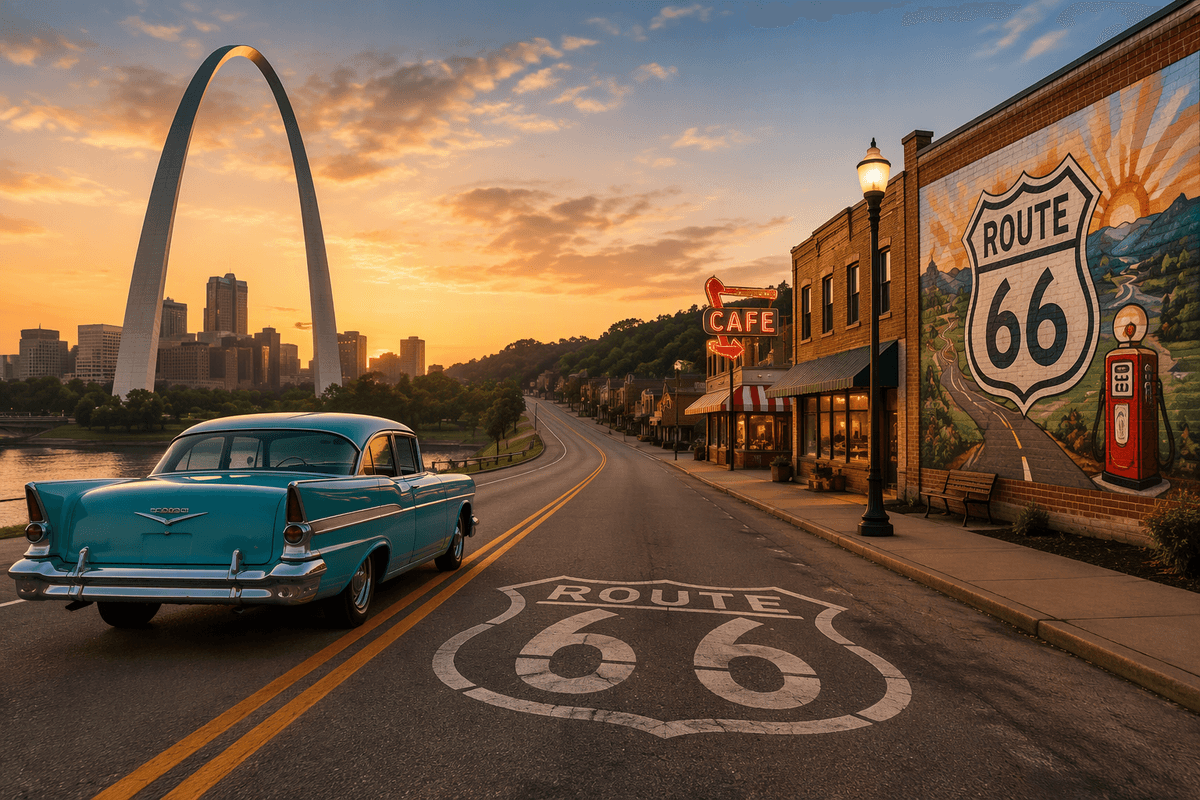
Start in St. Louis early enough to see the Gateway Arch area without letting downtown parking consume the morning. From there, follow the westbound corridor through towns such as Kirkwood, Eureka, and Pacific, choosing one or two stops rather than attempting every historic marker. Meramec Caverns can be a worthwhile anchor if the tour schedule fits, but it adds both ticket cost and several hours; travelers who prefer a slower day may get more from a brief river-area walk and lunch in a small town.
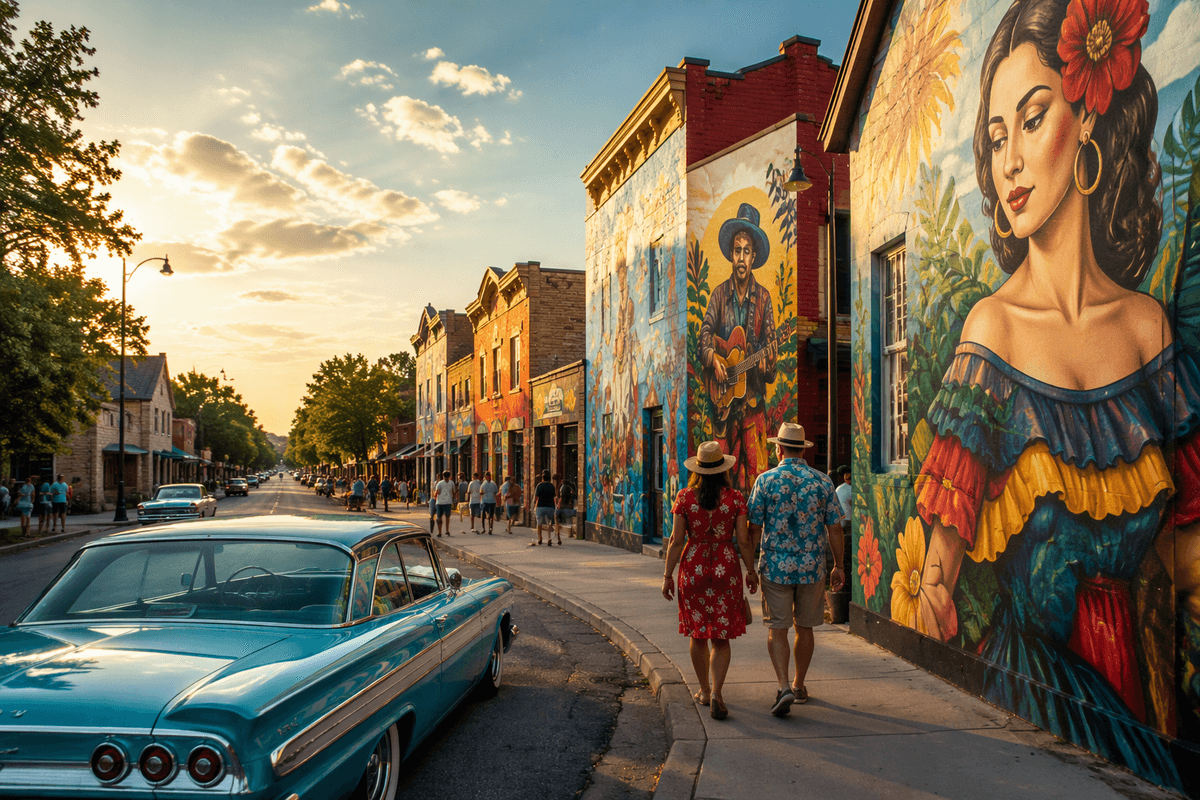
Continue toward Cuba, where murals and restored Route 66 businesses make an easy late-afternoon introduction to the road’s local character. The distance is manageable, but frequent stops, construction, and time spent finding parking can stretch the drive well beyond the map estimate. Arriving in Cuba before dinner gives you flexibility to explore its murals in daylight; arriving late means fewer decisions and less fatigue, but you may miss the atmosphere that makes an overnight here worthwhile.
Day Two: Cuba to Springfield
Leave Cuba after breakfast and aim for Springfield by late afternoon, using the stretch through Fanning, St. James, Rolla, and Lebanon as a series of selective stops rather than a continuous checklist. Fanning’s giant rocking chair is a quick photo break, while Rolla offers more practical fuel and meal options; stopping there can be useful if the morning has already run long, even if it means skipping a smaller roadside attraction.
Lebanon is a reasonable place to slow down for lunch or a short walk, but adding multiple museums or detours can push the Springfield arrival into the evening. The drive itself is not especially difficult, yet road work, weather, and time spent browsing antique shops can make the day feel longer than the mileage suggests. Reaching Springfield with daylight left gives you time for a relaxed dinner and a first look at its Route 66 landmarks. If the schedule slips, prioritize the stops that are open and nearby rather than sacrificing the evening to complete every planned photo stop.
Day Three: Springfield and Route 66 Icons
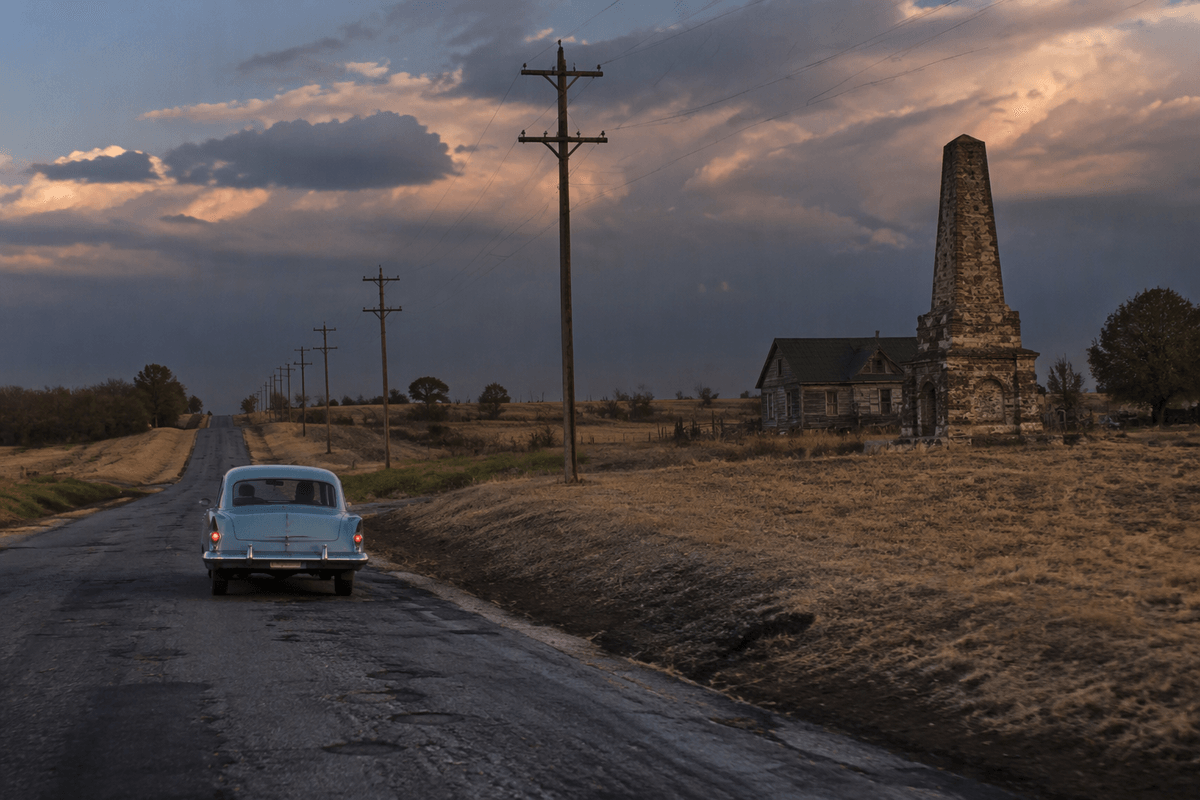
By the third morning, Springfield is best treated as a base for comparison rather than another long driving day. The Route 66 Car Museum offers the most concentrated look at the highway’s automobile culture, but admission and several indoor hours may not suit travelers who would rather stay on the road. A shorter alternative is a drive through the city’s historic Route 66 sections, followed by coffee or breakfast before heading toward nearby roadside landmarks.
Allow extra time for the Route 66 Drive-In area, vintage signs, and any chosen detour toward Paris Springs Junction or Halltown. These stops are memorable because they feel less polished, but they can involve uneven roads, limited services, and uncertain opening hours. If the previous two days ran long, choose one museum and one outdoor icon instead of adding mileage for every photo opportunity. The practical goal is to finish with a favorite memory, not another rushed arrival. An early start also leaves room for weather delays before the trip ends.
Making the Itinerary Work
The easiest way to keep the three days manageable is to choose one anchor stop and one flexible stop each day. A museum or cave tour gives the itinerary structure, while murals, diners, and roadside signs can be added or dropped without derailing the route. This works better than assigning every attraction a fixed time, especially when opening hours, lunch waits, or road work change the pace.
Keep daily driving moderate, but measure the day in hours rather than miles. A short detour can cost more time than expected, and fatigue usually appears after the third or fourth stop. Budget for admission fees, parking, and an unplanned meal, then protect the final evening in Springfield. The best adjustment is often skipping one minor landmark so the memorable stops do not feel hurried.
The Missouri Route 66 Takeaway
Three days on Missouri’s Route 66 works best when the itinerary is selective, not exhaustive. Pairing one major attraction with flexible murals, diners, or roadside landmarks keeps driving realistic and leaves room for weather, closures, and slower meals. Some famous stops will remain for another trip.
Plan by available hours rather than mileage, protect time for rest, and choose stops that fit your interests and budget. If the route still feels rushed, remove one detour before sacrificing the final evening. A manageable trip will leave you remembering the road, not calculating everything you missed.