Setting expectations: beyond kebabs and bazaars
I landed with a mental checklist—kebabs, a bazaar stroll, maybe baklava—and then realized the real challenge isn’t finding food in Istanbul, it’s choosing what to skip without feeling like you missed “the” thing.
Expect your best bites to be tied to timing and geography, not hype. Lunch hits differently near business districts and ferry hubs; dinner rewards you more in neighborhoods where locals actually eat out. The friction points are predictable: long queues at famous spots, places that sell out early, and a lot of “open” pins that don’t match real hours—especially around prayer windows and slower mid-afternoons.
Plan a shortlist by day-shape: one anchor meal, one snack lane, one sweet/tea stop. Keep room for detours, but avoid cross-city cravings; the transit time costs more than the dish is worth.
Street-food classics worth prioritizing
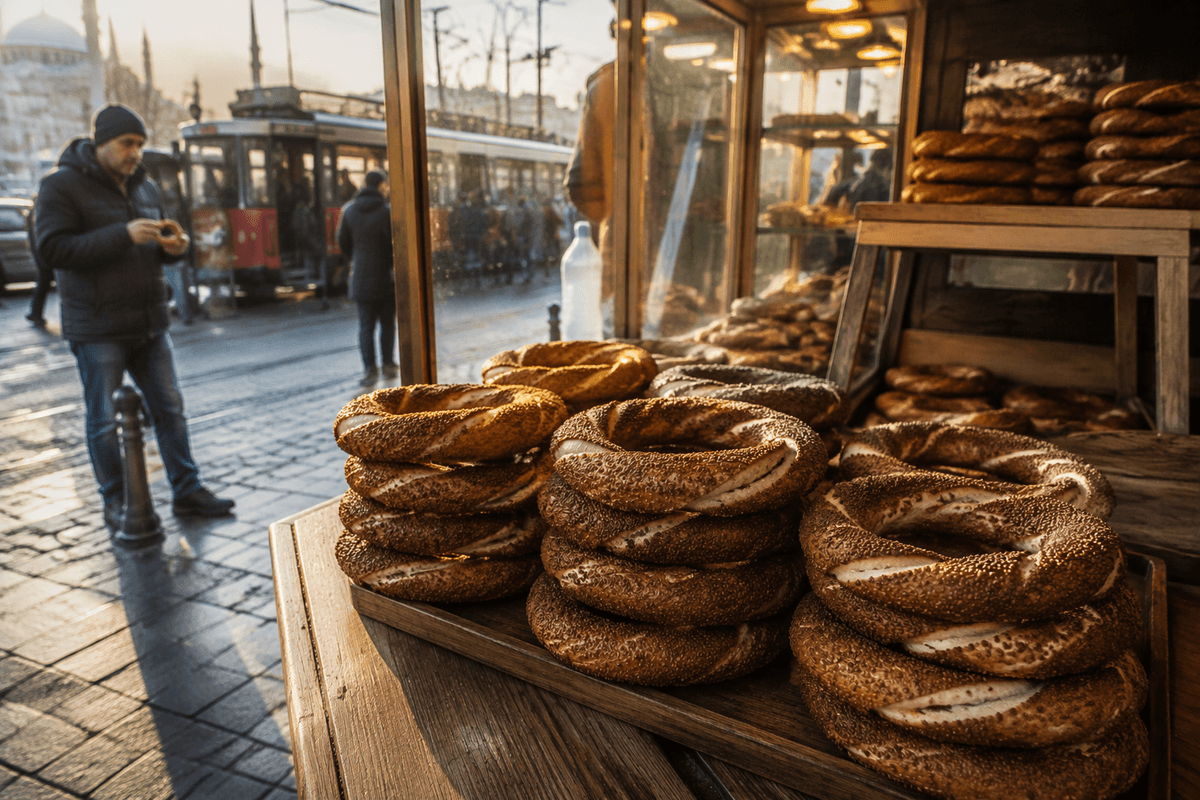
The first day I tried to “collect” street food like souvenirs and immediately ran into the math: every good bite is cheap, but the walking, waiting, and zigzagging across neighborhoods isn’t. What worked better was treating street food as route-fuel—built into where I already needed to be (tram stops, ferry landings, and the lanes between them).
If you only prioritize a few classics, make it these: simit early when bakeries are actually stocked; a fish sandwich around the Eminönü waterfront when you’re already doing the Spice Bazaar or a ferry; and döner as your reliable fallback when timing collapses and you need something fast. The “famous” fish lines can be slow at peak midday, while a less-hyped stand a block back gets you eating sooner with only a small drop in spectacle.
For something that feels more “Istanbul” than generic, look for mid-afternoon snacks like roasted chestnuts or corn when your energy dips—easy to graze without committing to a full sit-down meal. Just don’t plan street food as a late-night solution in quieter areas; some carts vanish early, and your best option becomes whatever is closest, not what’s best.
Traditional meals and where to try them
I kept circling “proper Turkish food” on my map, then realized the real decision wasn’t the dish—it was when I could realistically sit down without derailing the day. Traditional meals work best when you treat them as an anchor, not an add-on between attractions.
For lunch, aim for an esnaf lokantası (a tradesman’s cafeteria-style place) near transit-heavy areas like Sirkeci, Eminönü, or around Taksim, where the food turns over fast and prices stay sane. The upside is speed: you point, you eat, you move on. The limitation is timing—go too late (especially after 2–3 pm) and the best trays can look tired or be gone entirely, and some spots slow down around prayer windows.
Save one evening for a focused sit-down plate: köfte if you want simple and reliable, or a stewed dish like kuru fasulye with rice when you need comfort after a long walking day. Kadıköy works well here because you can arrive by ferry, eat, then walk it off; the trade-off is crowd density on weekend nights, when “quick dinner” becomes a queue you didn’t budget for.
Tea, coffee, and sweets rituals
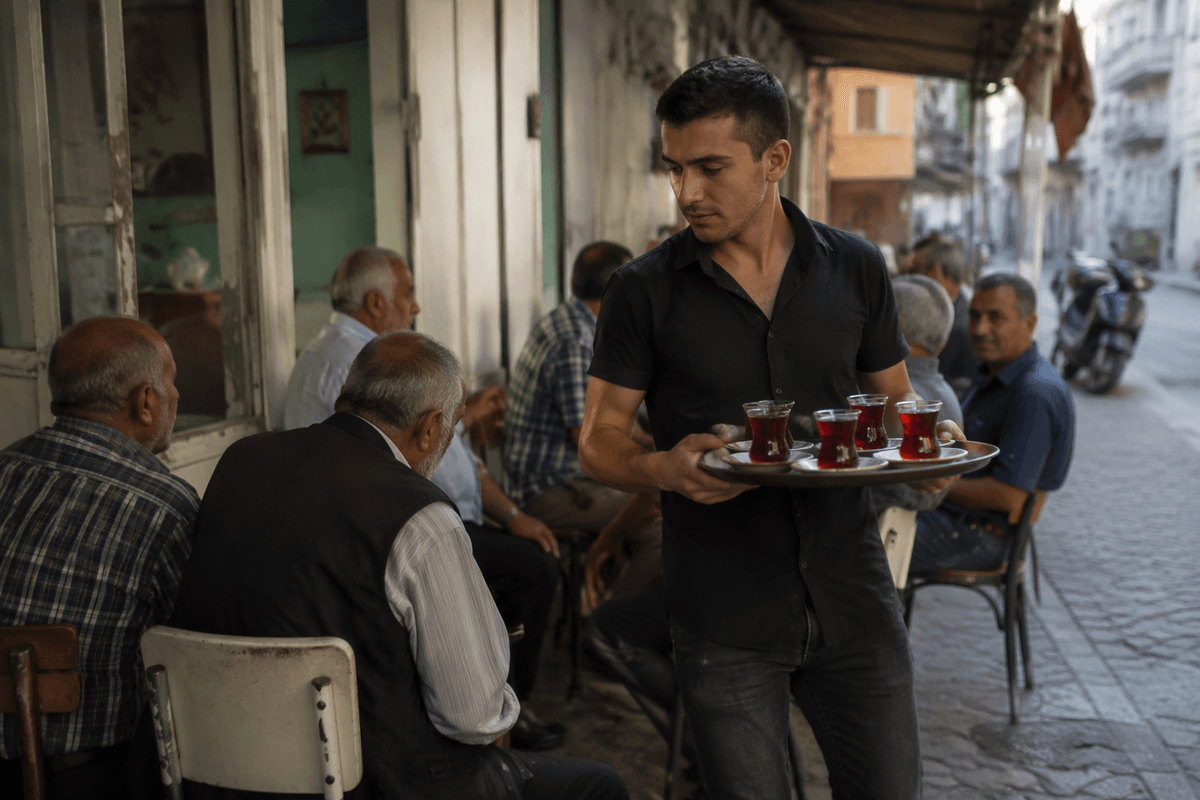
Mid-afternoon was when my plan kept wobbling—too early for dinner, too late to keep sprinting between sights—so I started treating tea and sweets as a reset button rather than a “must-try” checklist. Turkish tea is the easiest win: step into a no-fuss çay house near where you already are (Sirkeci lanes, around Karaköy, or back from the Galata crowds), order one glass, and let the city slow down for ten minutes. What doesn’t work is chasing a “perfect view” tea spot; you’ll pay more, wait longer, and drink the same thing.
For coffee, decide what you’re optimizing for. If you want the cultural ritual, order Turkish coffee after a meal and accept it’s a sit-and-sip experience, not a grab-and-go. If you’re tired and need caffeine fast, modern cafés will be quicker—but that’s a trade-off in authenticity, not quality. On sweets, be strategic: baklava is best when it’s fresh and turnover is high; go earlier in the day, then split a portion so you don’t sugar-crash before your next neighborhood.
Market, ferry, and meyhane experiences
I learned the hard way that the markets are not an “anytime” activity. I showed up to the Spice Bazaar when my stomach was already shouting, and the crowd made every “quick sample” feel like a slow-moving shuffle. It works better if you go with a narrow mission—spices, dried fruit, Turkish delight—and treat eating as a separate stop nearby, not something you solve inside the densest aisle.
The ferry is the easiest upgrade you can give a meal plan without spending much: take a short ride to Kadıköy or Üsküdar and build dinner around it. The rush hour boats are efficient but packed, and late evening returns can turn “one more drink” into a long wait on the pier. If you’re choosing between Galata Bridge fish and an Asian-side evening, pick one per day; trying to do both usually costs you an hour of transit fatigue.
For a meyhane night, decide what you want: a long, conversational spread of meze with raki, or a faster dinner that doesn’t wreck the next morning. The best move is reserving a table or arriving early; what doesn’t work is walking in at peak time on a weekend and expecting spontaneity. Keep it simple—2–3 meze, one hot dish—and you’ll leave satisfied instead of over-ordering because everything sounds “must-try.”
Closing: building your own Istanbul flavor itinerary
On my last full day, I stopped trying to “cover Istanbul” and started planning like the city plans you: short hops, clear meal windows, and one neighborhood per half-day. If you’re here 4–6 days, build a repeatable template—morning simit near your first stop, a lokanta lunch near transit, a mid-afternoon tea reset, then one deliberate dinner (Kadıköy by ferry, or a meyhane night you actually have energy for).
If a place requires a long queue, a hill climb, and a detour, it has to earn that cost—otherwise take the good-enough option that keeps your route intact. Keep two “failsafes” pinned (a dependable döner and a cafeteria-style lunch spot) for the moments when prayer windows, sell-outs, or fatigue collapse the plan. Your best Istanbul food day usually isn’t the one with the most stops—it’s the one where you ate well, on time, without crossing the city for a craving.