Setup: Must rent car; Opt transit; Skip strict schedules.
Exploring Oahu beyond Waikiki Beach is much easier when you have the freedom to travel at your own pace. Renting a car is highly recommended for this five-day trip, as many of the island’s best beaches, scenic viewpoints, and local attractions are spread across different areas and are difficult to reach by public transportation alone. If you prefer not to drive every day, you can combine occasional car rentals with Oahu’s public bus system, TheBus, for trips to more accessible locations. Rather than following a strict hour-by-hour schedule, keep your plans flexible and allow extra time for spontaneous stops, beautiful coastal views, and unexpected discoveries along the way.
Day 1 Windward: Must Lanikai; Opt Byodo-In; Skip crowds.
I hesitated over the alarm because “sunrise at Lanikai” sounds like a social-media dare until you try parking there after 8:00 a.m. From Waikiki, I aimed to be rolling before the commuter wave thickened on the Pali, then treated Kailua as the functional base: grab coffee, use a proper restroom, and only then push into the Lanikai streets. What worked was keeping expectations narrow—short beach time, one swim, leave while it still feels quiet. Lanikai is gorgeous, but it’s also small and residential, and the friction is real: limited parking, tight roads, and a vibe that can turn tense when cars start circling.
If you want the “must” without burning the whole morning on logistics, consider splitting it: Lanikai for the early calm, Kailua Beach as the backup when crowds arrive. Kailua is less precious but more forgiving—more sand, easier to reset if the wind picks up, and you won’t feel like you’re overstaying your welcome.
By late morning, the optional add-on that felt worth the detour was Byodo-In Temple in Valley of the Temples. It’s not free and it’s not a hike, which is exactly why it works after a beach start—minimal effort, high payoff, and the rain plan basically handles itself. The limitation is time creep: it’s easy to linger, so I set a hard “leave by” time and saved the long scenic drive exploring for another day rather than stacking every Windward stop at once.
Day 2 North Shore: Must Waimea; Opt shrimp; Skip boutiques.
The first fork in the road was whether to chase the North Shore “loop” feeling or pick one anchor and protect the day from windshield time. I chose Waimea Valley early, because it’s one of the few North Shore stops that still feels enjoyable when the crowds arrive later—there’s a clear endpoint, real shade, and you’re not constantly negotiating parking chaos the way you are in the beach towns. Leaving Waikiki before the worst of the H-1/H-2 crush mattered; a 20-minute delay at the start doesn’t just shift your arrival, it changes what’s available when you get there.
Waimea works best as a must-do because it’s structured: you can walk at your pace, you don’t need perfect surf conditions, and it’s a solid “Plan A” even if the wind is up. The constraint is that it’s not a quick pop-in—between the walk, photos, and a reset break, it quietly eats a large chunk of the morning. That’s why I avoided stacking it with every lookout and beach on the same drive; I’d rather do fewer stops and actually feel present than collect a dozen parking receipts.
For food, the optional shrimp trucks were the right kind of indulgence: satisfying, local, and easy to slot in without turning lunch into a mission. What didn’t work was pretending I’d browse Haleʻiwa shops “for just a bit”—boutique hopping is where time disappears, and it’s the fastest way to end up driving back to Waikiki in late-afternoon traffic with nothing to show for it besides another bag you didn’t need.
Day 3 History: Must Pearl Harbor; Opt Bishop; Skip Dole.
The morning I aimed for Pearl Harbor, the first friction point wasn’t traffic—it was realizing how many people show up assuming they can simply wander in and “see the Arizona.” If you want the USS Arizona Memorial program, treat it like a timed appointment and build your day around it; otherwise you risk turning a meaningful stop into an hour of waiting and a rushed, annoyed lap through the visitor center. I liked going early from Waikiki because the site feels calmer before the big wave of groups, but it also means committing to a stricter start than the beach days.
What worked well was narrowing the scope. Pearl Harbor can expand to fill an entire day if you let it, and the museum density is real—emotionally and physically. I picked one core experience and gave myself permission to skip the “complete everything” mindset, because by early afternoon my attention span was the limiting factor, not the clock.
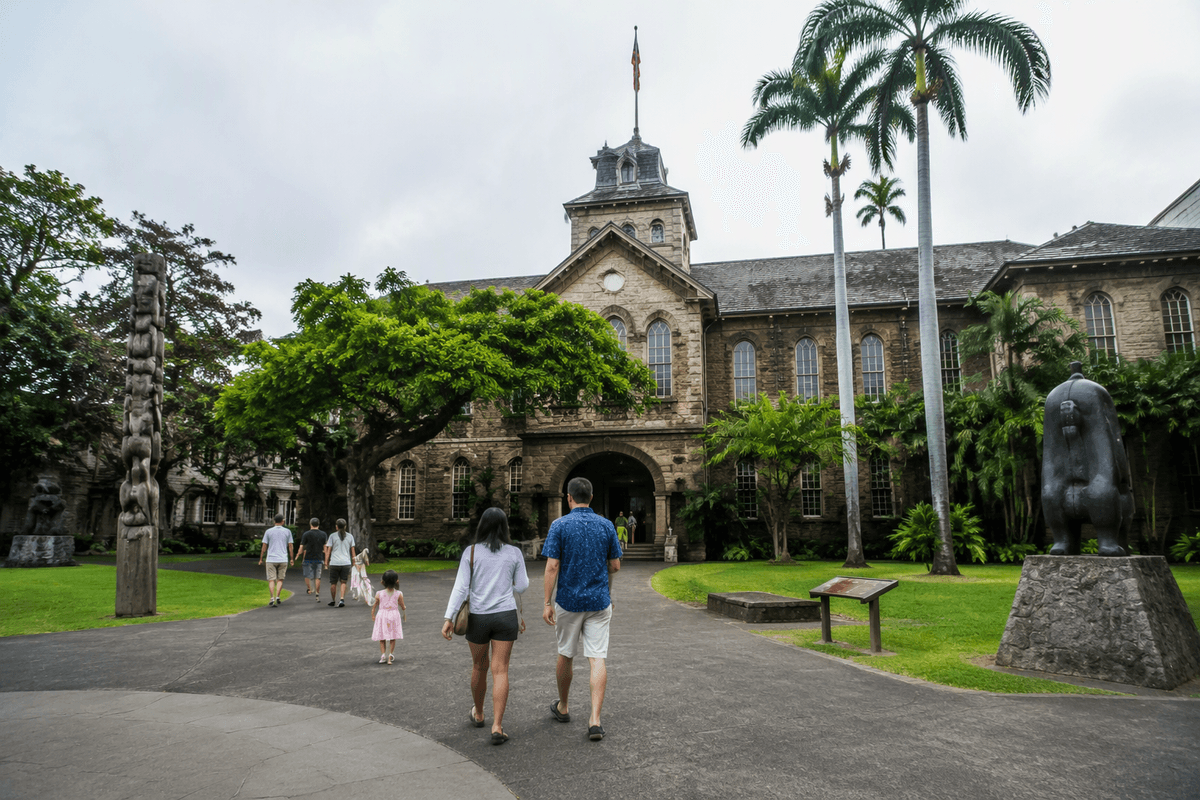
If you still have energy, Bishop Museum is the smarter add-on than trying to tack on something far-flung: it’s closer to town, more flexible on timing, and feels like context rather than another logistical puzzle. I skipped Dole Plantation here because it’s a detour that mostly buys you crowds and gift-shop gravity—exactly the kind of stop that turns a history day into a traffic day.
Day 4 Coast: Must Kaena; Opt KoOlina; Skip traffic.
I waffled on Kaʻena Point because it looks “close enough” on a map, then you remember it’s a commitment: you’re driving out toward the edge of the island to do a hike that doesn’t have a quick exit once you start. I went early from Waikiki to keep the H-1 and H-2 moving, and to get a parking spot without turning the morning into a low-speed lot crawl. The trail itself is straightforward and exposed—beautiful, but not forgiving—so sun, wind, and how much water you carried matter more than your fitness stats.
Kaʻena worked best for me as the one true anchor of the day: hike out, turn around when the heat starts to win, and resist the urge to “add just one more stop” on the return. The coastline is the reward, but it’s also why the day can slide; you’ll keep pausing, taking photos, and suddenly your planned two hours becomes three-plus. If you’re sensitive to midday glare or you’re already feeling cumulative fatigue by Day 4, this is where the plan should bend, not break.
On the way back, Ko Olina was my optional reset—clean sand, calmer water, and facilities that make it easy to rinse off and call it a win. It’s less wild than Kaʻena, but that’s the point: you’re buying convenience when your legs are tired. I skipped trying to thread more west-side errands through the afternoon because that’s when “simple” driving turns into stop-and-go; a beach you can enjoy quickly beats another hour spent negotiating traffic just to say you covered more ground.
Day 5 East: Must Makapuu; Opt Koko Head; Skip souvenirs.
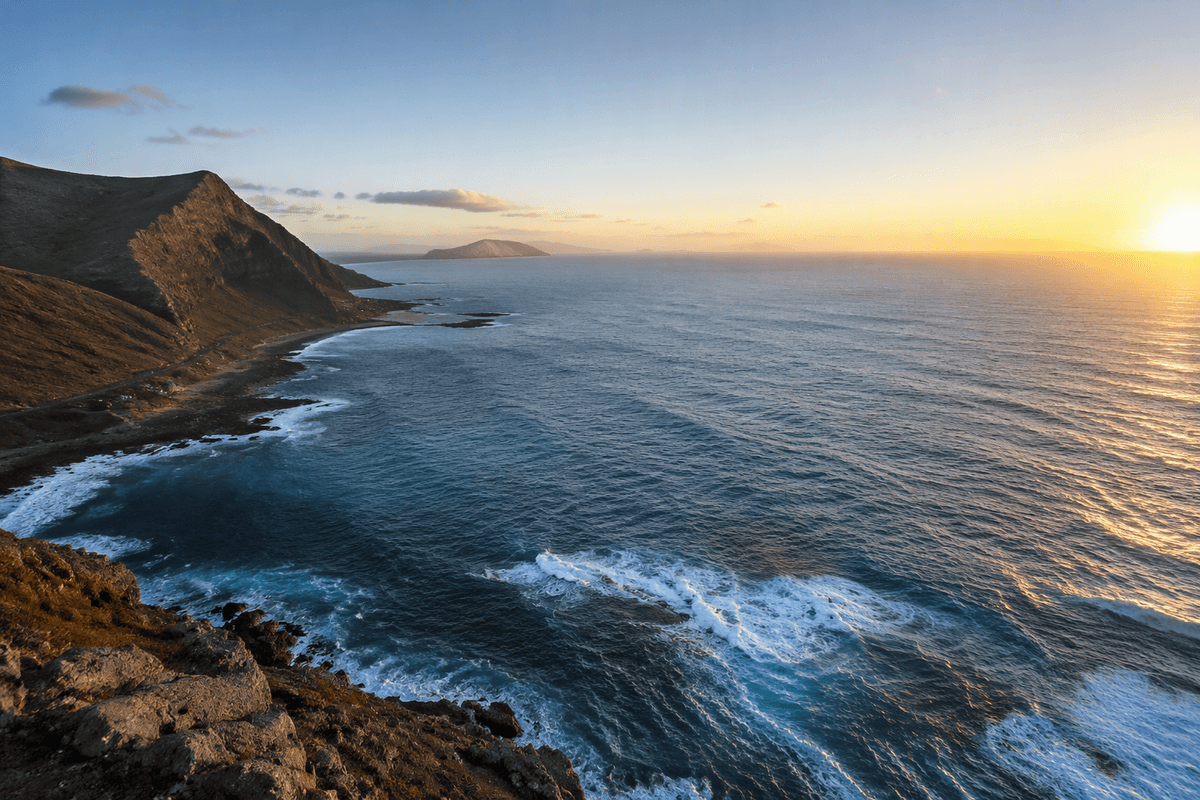
I set my alarm with one question: do I want a steep, sweaty win (Koko Head) or a more forgiving morning that still feels like “real Oahu” (Makapuʻu)? Trying to do both at full intensity is where Day 5 can get oddly stressful, because the East side is breezy and scenic but not immune to the same constraints as everywhere else—limited parking, narrow shoulders, and a clock that moves faster once the sun is up.
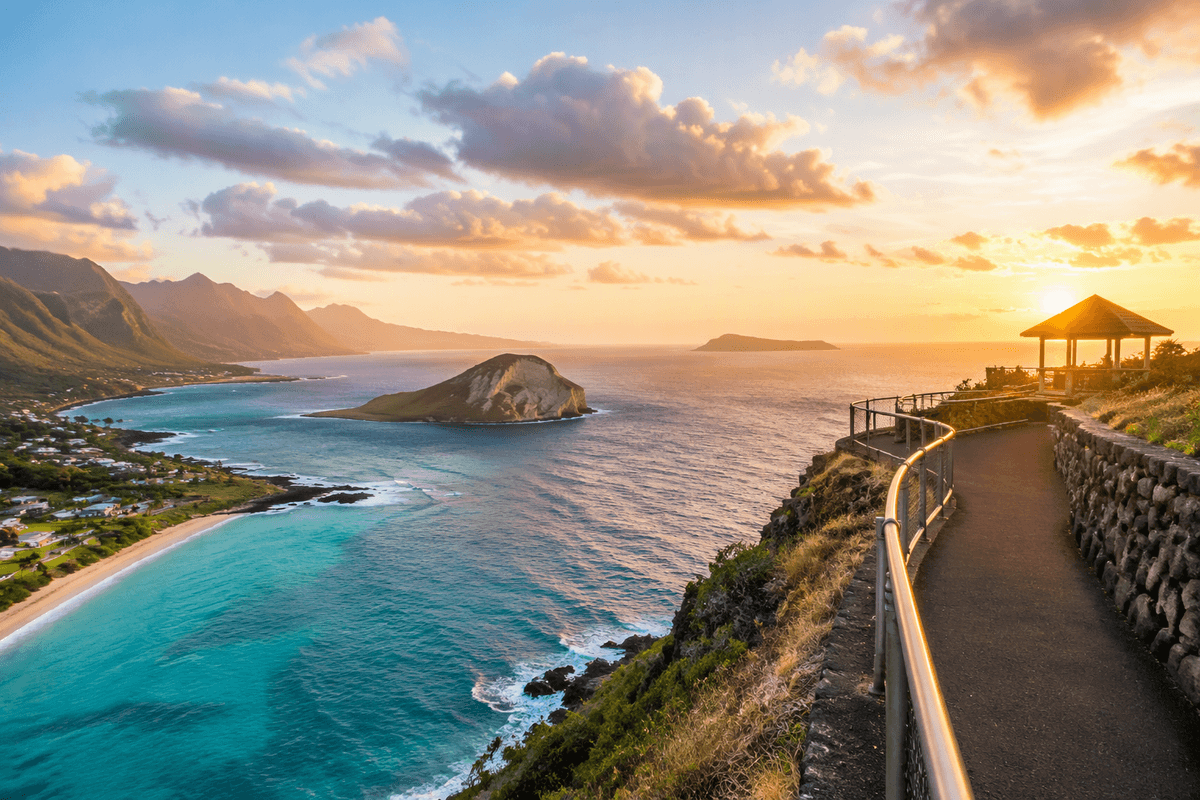
Makapuʻu Point was my must because it gives you the payoff without negotiating a technical trail: paved, steady incline, big ocean views, and the kind of hike that works even if your legs are still carrying Kaʻena from the day before. What didn’t work as well was arriving late and expecting it to feel quiet; by mid-morning the lookout energy shifts to “everyone’s here,” and parking becomes the first mini-battle of the day. I liked treating it as a clean, early out-and-back, then deciding in real time whether the day needed a beach stop or a nap back in Waikiki.
If you’re still hungry for a harder effort, Koko Head is the optional add—but it’s a commitment in heat and knees, and it’s less fun if you’re forcing it for bragging rights. I skipped the souvenir pull-offs on this loop; they’re easy to stop at, but they also nibble away the flexible margin that makes Day 5 feel smooth instead of rushed.
Wrap: Must pick a return spot; Opt luau; Skip stress.
On the last afternoon, the only decision I forced was choosing a “return spot” before I was tired—either back to Waikiki Beach for a no-planning sunset, or Ala Moana Beach Park if I wanted more space and fewer bodies stacked towel-to-towel. Waikiki is frictionless if you’re already based there, but it can feel weirdly busy right when you’re trying to decompress; Ala Moana takes a bit more effort to get to and park, yet it’s calmer in a way that reads as “end of trip” instead of “another day on Kalākaua.”
If you’re tempted by a luau, treat it like your one structured evening, not something you wedge in after a big drive day. The timing is the whole thing: commit early, accept you’ll pay for convenience, and keep the day’s earlier plans light so you’re not showing up sun-fried and impatient. I skipped squeezing in “one last lookout” and used the leftover hours to rinse gear, return the car without drama, and let the trip end cleanly instead of in traffic.