Choosing a New Orleans Neighborhood
Choosing a New Orleans neighborhood is less about finding one “best” area than deciding which compromises you can tolerate. A central base may save time on sightseeing but cost more and feel noisy at night; quieter districts can offer better value, yet require longer walks or occasional transit. Start with your priorities—food, historic architecture, live music, nightlife, or rest—then consider walking distances, late-night transportation, weekend crowds, and whether saving on lodging is worth spending more time getting around.
French Quarter: Iconic First Impressions
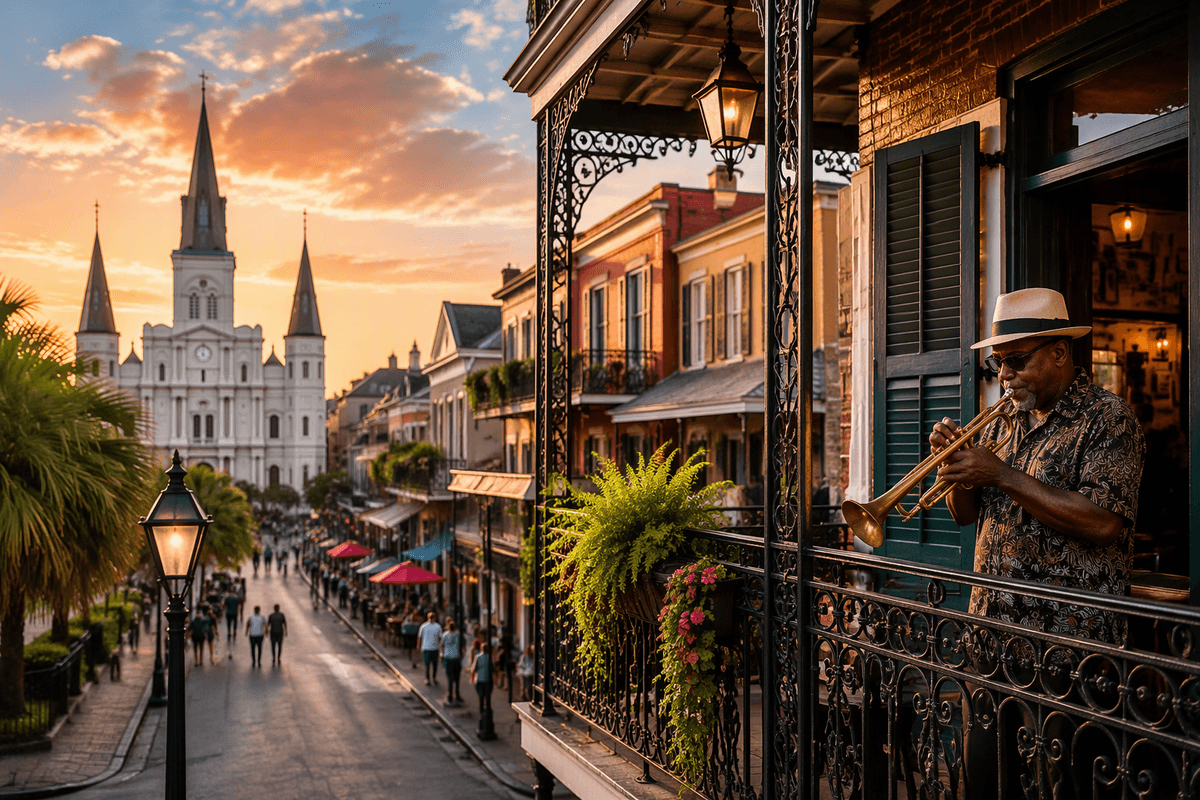
By late afternoon, the French Quarter can make the rest of the city feel unnecessary: Jackson Square, the riverfront, historic buildings, restaurants, galleries, and live music are all within manageable walking distance. For a first visit lasting only a few days, that concentration is its strongest advantage. You can return to your room between plans instead of arranging rides, though narrow sidewalks, uneven pavement, heat, and crowded blocks make short distances slower than they appear.
Lodging near Bourbon Street or Canal Street often costs more, while nightlife noise, delivery traffic, and weekend crowds can continue well past midnight. Quieter blocks near the river or Esplanade Avenue may improve sleep, but they still place you close to the busiest visitor routes. Choose the Quarter when iconic sights and minimal transportation matter more than tranquility; otherwise, staying nearby rather than directly inside it may preserve convenience without paying for the most intense version of the experience.
Marigny and Bywater: Music and Local Flavor

If live music matters more than checking off major landmarks, Faubourg Marigny is a practical alternative to the French Quarter. Frenchmen Street offers clubs, bars, and late-night energy within an easy walk, while nearby restaurants and corner shops make the area feel less concentrated around tourism. The limitation is that popular venues fill quickly, and music, traffic, and departing crowds can continue late into the night. Lodging may feel more relaxed than Bourbon Street, but it is not necessarily quiet.
Bywater extends the same local, creative atmosphere, usually with more residential surroundings and occasional lodging value. It works well for travelers willing to walk farther or use rideshare for French Quarter sightseeing, but limited-time visitors may lose convenience, especially in heat or rain. Choose Marigny for nightlife with reasonable access to downtown; choose Bywater when neighborhood character and food matter more than having every major attraction nearby.
Garden District and Uptown: History and Elegance
Garden District and Uptown suit travelers who prefer historic streets, quieter evenings, and a slower pace than the French Quarter. Strolling past grand mansions and taking the St. Charles streetcar can make sightseeing feel like part of the trip, while Magazine Street adds restaurants, shops, and cafés. The trade-off is distance: reaching the Quarter takes time, and streetcar journeys can be slow during traffic or special events.
This area works best when architecture, local dining, and restful lodging matter more than late-night convenience. It is often easier to sleep here than near Bourbon Street, but popular restaurants may require reservations and some attractions are spread out enough to discourage repeated walking. Choose Uptown for atmosphere and space; choose the Garden District specifically if historic scenery and the streetcar ride are central to your plans.
Tremé and Mid-City: Deep Cultural Connections
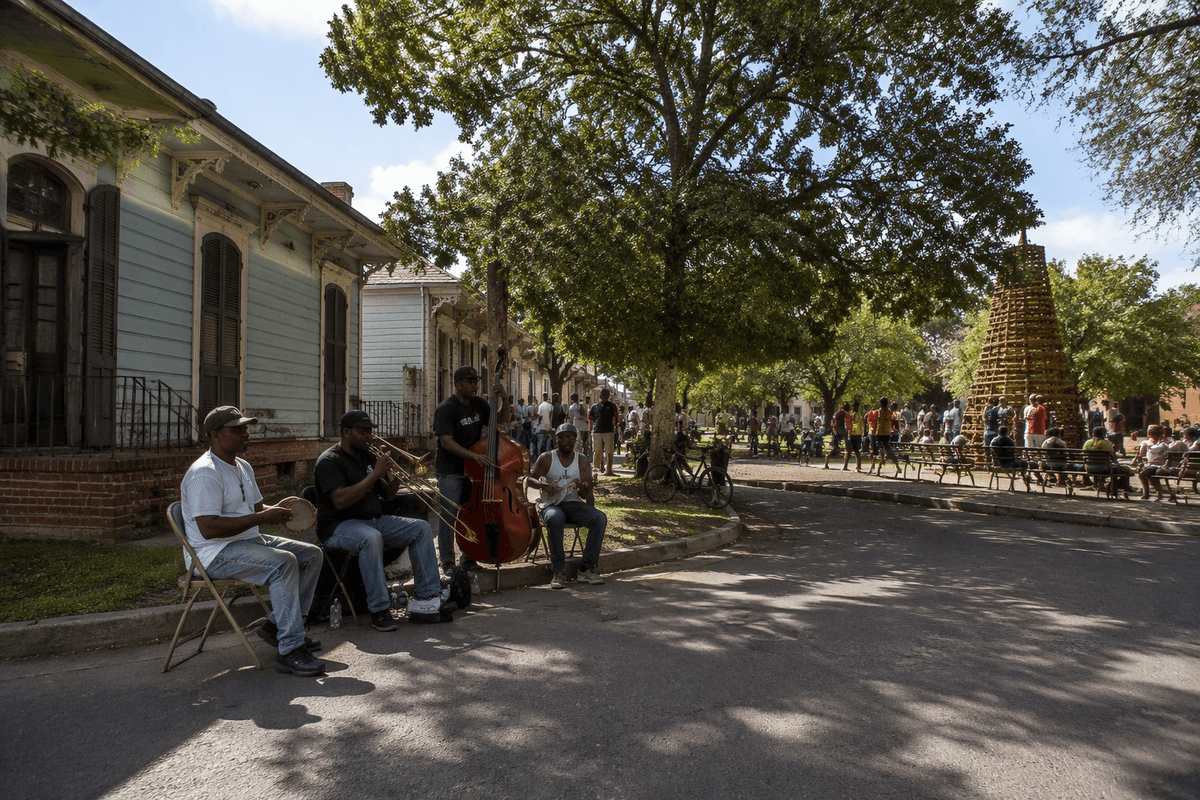
After a morning in the French Quarter, Tremé can feel like a more layered and less polished continuation of New Orleans history. It offers close access to Congo Square, the Backstreet Cultural Museum area, neighborhood restaurants, and local music traditions, but sights are more spread out and some blocks feel quieter after dark. That makes daytime exploration rewarding, though first-time visitors may prefer guided walks or planned routes rather than wandering without a clear destination.
Mid-City adds practical value through City Park, the New Orleans Museum of Art, casual restaurants, and streetcar access toward downtown. Lodging can be less expensive and evenings calmer, but reaching the Quarter takes time, especially when streetcars are delayed or weather is poor. Choose Tremé for cultural depth and proximity to central sights; choose Mid-City for space, food, and a more residential base.
Matching Neighborhoods to Your Trip
With limited time, match the neighborhood to what you will do most often rather than choosing by reputation alone. Stay in the French Quarter for concentrated sightseeing and easy returns to your room; choose Marigny for live music and late evenings; consider Uptown or the Garden District for architecture, restaurants, and better chances of sleeping well. Mid-City offers useful space and cultural access, while Bywater suits travelers comfortable trading convenience for atmosphere and occasional rides.
Also account for when you will be moving around. A central location saves transportation costs during hot afternoons or rainy spells, but quieter areas may offer better lodging value and less nighttime noise. If your plans include both the Quarter and Uptown, expect streetcars and walks to consume real time. For a short first visit, paying slightly more for the area that fits your main priority can be more practical than saving on a room and losing hours in transit.
Planning a More Complete New Orleans Experience
Once your base is chosen, build the rest of the trip around realistic distances rather than trying to cover every district. Group nearby sights, reserve popular meals, and leave room for weather, crowds, and slower streetcar journeys. This usually produces a fuller experience than changing neighborhoods every day or spending evenings crossing the city.
The practical choice is the area that removes the most friction from your priorities. Pay more for centrality when time is tight; choose quieter value when rest and atmosphere matter more. A well-matched neighborhood will not eliminate every compromise, but it can make New Orleans feel more connected, comfortable, and manageable.