Planning Your First New Orleans Visit
Start by deciding what kind of first visit you want, because New Orleans rewards focus more than speed. A packed plan can cover the French Quarter, a cemetery tour, neighborhoods, and live music, but distance, heat, late nights, and waiting times quickly consume the day. Reserve one or two fixed experiences, such as a popular restaurant or guided tour, then leave space for wandering. Clustering nearby sights reduces transportation costs and preserves energy for the local moments that cannot be scheduled.
Essential Attractions Worth Prioritizing
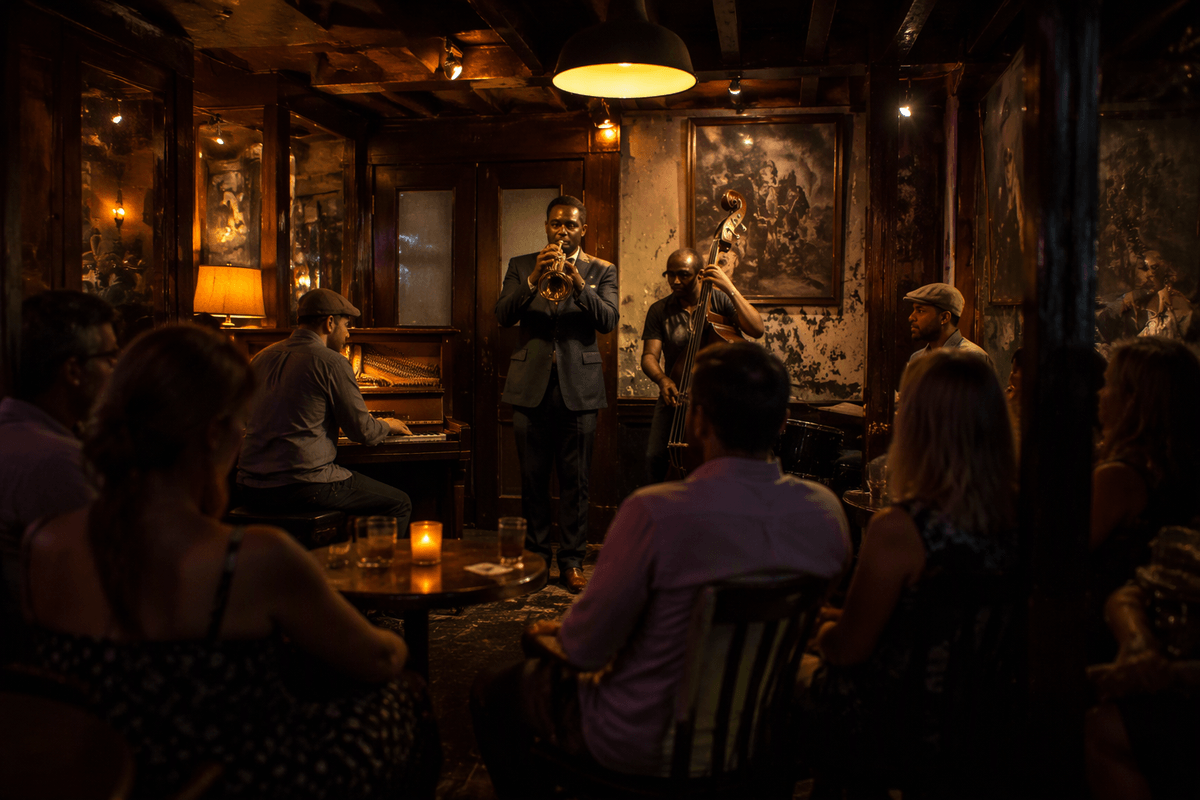
When time is limited, begin with the attractions that explain New Orleans rather than trying to check every landmark. The French Quarter is the obvious anchor: Jackson Square, the cathedral, the riverfront, and nearby historic streets can be combined on foot, though midday crowds and heat make an early start worthwhile. A cemetery or history tour adds context, but its fixed schedule and ticket cost may compete with a museum or long lunch.
Choose one major experience outside the Quarter instead of scattering several across the city. The Garden District works well with a streetcar ride and a focused walk, while the National WWII Museum deserves several hours and is less convenient to combine with far-flung neighborhoods. Live music is often the better evening priority because it supplies local character without requiring another daytime transfer. Build around two substantial stops per day; that leaves room for meals, weather delays, and the unplanned detour that often becomes the most memorable part of a first visit.
Neighborhoods Beyond the French Quarter
After exploring the French Quarter, choose another neighborhood based on the kind of experience you want rather than trying to cover the whole city. The Garden District is an easy addition for first-time visitors. The St. Charles streetcar provides a convenient way to reach the area, while its oak-lined streets, historic mansions, and distinctive architecture make it well suited to a relaxed walk. Magazine Street also offers a chance to browse independent shops, cafés, and restaurants, so the visit can naturally lead into lunch or dinner without requiring another major journey. Even a couple of hours provides a different perspective on New Orleans beyond its busiest tourist streets.
For a livelier atmosphere, consider the Marigny and Bywater. Both neighborhoods have colorful houses, local restaurants, bars, and music venues, with a more residential feel than the French Quarter. Frenchmen Street, in particular, is known for its live music scene and makes the Marigny a natural choice for an evening out. Bywater offers a slower route through side streets lined with distinctive homes and neighborhood businesses. These areas are worth exploring, but the journey from accommodation near Canal Street may require more planning, especially when combining several stops or returning late at night. Check transport options before setting out rather than assuming every part of the route will be convenient on foot.
Uptown and the riverfront are better suited to travelers with extra time or a particular reason to visit, such as a restaurant reservation, a park visit, or an afternoon away from the busiest central streets. Crossing the city for a single meal may take more time and energy than expected, so look for nearby cafés, shops, or other places worth visiting along the way. Pairing one neighborhood with a meal or evening activity also makes the route feel more natural. Check streetcar and bus schedules, allow for changes in weather, and leave some flexibility for breaks. Spending an afternoon getting to know one district usually offers a richer sense of local life than rushing between several neighborhoods just to tick them off a list.
Authentic Local Experiences to Seek
After choosing a neighborhood, look for experiences that reveal how the city is lived rather than simply photographed. A casual meal at a neighborhood restaurant, a second-line performance, or live music in a small Marigny venue can feel more distinctive than another scheduled attraction. The trade-off is predictability: popular restaurants may require reservations, while smaller music rooms often have cover charges, minimums, or late start times.
Food tours and cooking demonstrations are useful when you want context without spending several days researching on your own, but they add both cost and a fixed meeting time. For a tighter budget, build your own local evening around one meal and one music stop, using a nearby area to limit rideshares. Keep the schedule flexible afterward; heat, rain, and a late dinner can make an ambitious night less enjoyable than an unplanned walk and one excellent set.
Practical Choices for a Smoother Visit
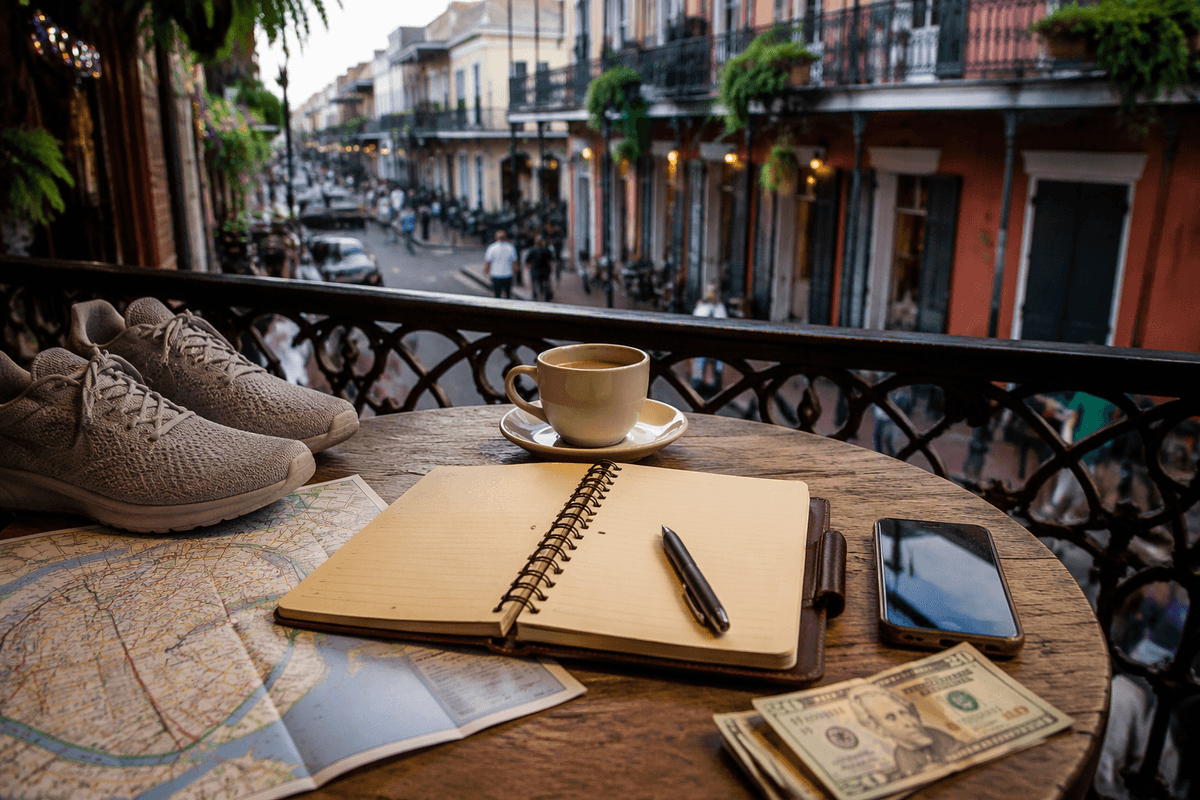
Small logistical choices can determine whether the itinerary feels relaxed or compressed. Walk the French Quarter and nearby areas, but use a streetcar or rideshare when heat, rain, or distance makes the route inefficient. Book only the experiences that truly matter, checking start times and cancellation policies before building around them. A reservation can protect a limited evening, though too many fixed bookings leave little room for delayed meals or unexpected closures.
Plan one higher-cost activity, such as a major museum or guided tour, and balance it with free walks, casual food, and live music with a modest cover. Keep cash and comfortable shoes available, allow extra time after late nights, and avoid crossing the city solely for one stop. The smoothest plan is not the fullest one; it is the itinerary with enough flexibility to absorb weather, crowds, and fatigue without sacrificing the experiences you came to find.
Building Your Ideal New Orleans Experience
At the end of planning, compare each choice by what it adds: a landmark, local flavor, useful context, or simply another transfer. Keep one anchor experience per day, then pair it with a nearby meal, neighborhood walk, or music stop rather than chasing distant highlights.
The best first visit may leave something unseen. If your plan fits the budget, protects your energy, and still allows an unplanned hour, it is probably realistic enough to enjoy.